Introduction: The Dorm Room as a Stage for Innovation
In the crowded real estate of campus life, every square foot counts. The dormitory, once a simple sleeping alcove, has become a testing ground for space-saving ingenuity. Foldable and roll-up beds—once a niche product in hospitality or student housing catalogs—have evolved into reliable, ergonomic, and durable solutions that marry form and function. This guide examines how students, housing coordinators, and designers weigh durability, comfort, and space savings when evaluating dorm-friendly bed options. It draws upon historical context, current design practices, and practical planning tools to help you choose thoughtfully without compromising sleep quality.
Historical Thread: How Foldable Beds Took Root in Small Space Living
Foldable furniture is not a novelty; it is a response to modern constraints. Early 20th-century design embraced modular, portable solutions to maximize flexible spaces. The mid-century era offered a mix of compact forms and clever mechanisms that hinted at a broader lifestyle shift: living small did not necessitate sacrificing comfort. The roll-up concept—beds that can be stowed away or rearranged with ease—reappeared in dormitories and small apartments as a practical answer to shared rooms, transient guests, and the need for common areas. Contemporary dorms inherit that legacy but add updates in materials, safety standards, and user-friendly mechanisms that reduce fatigue and maintenance burdens.
The conversation about foldable sleeping arrangements now sits at the intersection of design history and applied ergonomics. We see an ongoing emphasis on choosing frames and mattresses that preserve support when deployed in daily use and ensure quick, quiet transitions when space must be reclaimed for study, recreation, or social space.
Key Considerations: Durability, Comfort, and Space Planning
Durability, comfort, and space efficiency form the triad that governs decision-making for dorm beds. Each dimension interacts with the others, and understanding their relationships helps you avoid common pitfalls.
- Durability: Dorms demand rugged frames and robust mechanisms. Look for reinforced joints, steel or high-grade aluminum components, and lockable folding points that resist nightly cycling. Check the weight capacity and warranty terms. In communal settings, parts are subject to heavier-than-average use, so a durable base reduces long-term replacement costs.
- Comfort: A foldable bed is only as good as its mattress compatibility. Some mechanisms pair with thin, compact mattresses, while others accommodate standard mattresses with room to spare. Ergonomic considerations—such as proper spinal alignment, edge support, and pressure relief—become critical when beds are used for extended periods by students who sleep irregular hours or adopt varied sleeping positions.
- Space Planning: The layout around the bed influences traffic flow and study areas. Consider the bed’s footprint when folded, clearance for unfolding, and access to outlets and lighting. For shared dorm rooms, boundary awareness and ease of guest accommodation become essential planning elements.
Layout and Space-Saving Strategies for Dorm Rooms
Effective space planning is less about choosing a single piece of furniture and more about orchestrating a living ecosystem. Here are practical strategies to maximize floor space while preserving comfort and accessibility:
- Measure with precision: Determine not just bed dimensions but also swing clearance, nightstand placement, and seating zones for studying.
- Prioritize modularity: Seek beds with modular storage options or integrated drawers to reduce the need for additional storage furniture.
- Plan for guest readiness: In many dorms, a bed will host guests. Ensure the chosen solution can be quickly converted to a comfortable, ready-to-use guest setup without tools or complex steps.
- Account for safety: Keep pathways clear of obstructing objects, maintain stable anchoring when necessary, and ensure cords, lighting, and devices are safely positioned to avoid hazards.
Durability and Comfort: A Closer Look at Frames and Mattresses
Two core components determine daily success: the frame and the mattress. The frame bears the brunt of repeated folding, unfolding, and weight shifts. Materials like powder-coated steel or reinforced aluminum resist corrosion and fatigue. Joints should be tightly secured, with minimal wobbly play that can undermine both comfort and safety. On the mattress side, the challenge is compatibility: a thin, compact option might suit portability, but it must still offer adequate support across a range of sleeping positions. Ergonomic considerations include spine alignment, shoulder and hip relief, and temperature regulation through breathable covers and layer materials.
Choosing a bed base that complements a durable frame can significantly extend the bed’s life. If a bed base integrates with storage or features under-bed lighting, verify that these systems do not interfere with folding mechanics or occupant comfort. A well-chosen base also reduces the likelihood of creases or deformities that could compromise support over time.
Case Studies: Real-World Dorm Makeovers
To illustrate how these principles play out, consider a few brief case studies drawn from university housing programs and design education projects. Each example highlights a distinct approach to dorm-friendly folding beds and their impact on daily life.
- Case Study A: A co-ed dorm implemented a modular foldable bed system with integrated under-bed storage and a shared desk zone. The result was a 25% increase in usable floor space and a measurable improvement in study area comfort, particularly for late-night study sessions.
- Case Study B: An arts-focused residence swapped bulky guest beds for slim-roll-up designs that tuck away into a wall niche. The result was ample space for collaborative art projects, with guests reporting improved sleep quality due to more even weight distribution and better air circulation.
- Case Study C: A STEM dorm paired compact sofa-beds with ergonomic mattresses that emphasize spine support. The configuration created a flexible living area that could morph from social lounge to sleep zone in minutes, accommodating both study and rest without crowding the room.
Guides, Checklists, and Tools for Renters and Administrators
Beyond product selection, the practical toolkit matters. The following resources help students, housing coordinators, and facilities teams navigate the decision-making process with confidence.
- Space Assessment Checklist: A printable worksheet to measure room dimensions, door swing, window placement, and outlet access. Use this to determine maximum bed footprint and unfolding clearance.
- Durability Evaluation Guide: A framework for evaluating frame materials, joint construction, and warranty coverage. Prioritize tested mechanisms with high load tolerances and minimal maintenance requirements.
- Comfort Compatibility Matrix: A simple grid to compare mattress types, thickness, and their compatibility with foldable frames. Include considerations for temperature regulation, moisture management, and pressure relief.
Product Spotlight: The Clean Bedroom Level 2 Adjustable Bed Base
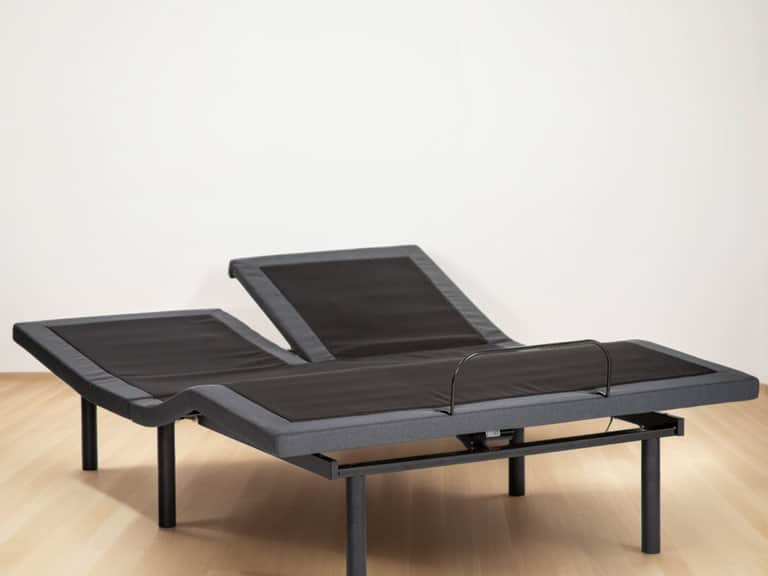
In the ongoing quest to blend comfort with technology, certain products redefine what a dorm bed can be. The Clean Bedroom Level 2 Adjustable Bed Base represents a convergence of durability, adjustability, and user-friendly features that can elevate dorm sleep experiences. Independent head and foot lifts offer personalized positioning for reading, studying, or restful slumber. A built-in massage function can ease the strains of late nights spent poring over coursework, while underbed LED lighting adds a subtle ambiance and practical visibility in the dark. The wireless remote provides convenient control, and dual USB ports ensure devices remain charged for study notes, lectures, and streaming breaks.
The base is designed to be compatible with platform and pedestal frames, with versatile height settings that adapt to different mattress configurations and bed heights. Split head configurations and 3-in-1 stacking legs offer flexible solutions for room layouts that demand modularity. While a premium option, the level of customization speaks to a dorm environment that values psychological comfort and practical convenience as part of its academic infrastructure.
The Clean Bedroom Level 2 Adjustable Bed Base
Price: $1,149.00
Product details
- Independent head and foot lift
- Underbed LED lighting with seven colors
- Dual USB ports and wireless remote
- Split King option for dual-person customization
Note: Product descriptions and availability may vary by retailer. This spotlight demonstrates how advanced bases can contribute to dormitory comfort in modular living environments.
In classrooms of design and engineering, such bases are often discussed as part of broader systems that prioritize occupant well-being, energy efficiency, and adaptable spaces. For dorm administrators, the takeaway is clear: when space is tight, a bed that embraces adjustability and clever storage can unlock a more humane and productive living environment.
Putting It All Together: A Decision Framework
To help stakeholders navigate the myriad options, here is concise guidance distilled into a practical framework:
- Define the space: Start with precise room measurements and determine the bed’s folding footprint and unfolding clearance.
- Prioritize durability: Favor frames with robust joints and tested mechanisms; durability reduces lifecycle costs and disruption.
- Assess comfort needs: Match mattress compatibility to the bed type and consider temperature regulation and support across typical sleeping positions.
- Plan for guest use: Ensure the setup remains comfortable for guests and easy to convert for daily use.
- Consider maintenance: Look for low-maintenance materials and straightforward cleaning instructions to sustain hygiene in campus environments.
A Note on Style and Identity: The Brand Narrative of RollupBeds
RollupBeds, as a domain, sits at the crossroads of practicality and design storytelling. The brand narrative should reflect an editorial stance that values transparency, evidence-based guidance, and non-promotional integrity. By foregrounding user experience, ergonomic science, and space-planning rigor, the site can become a trusted resource for students, housing professionals, and design students alike.
Time-Style Perspectives: Three Key Individuals Across Eras
In the spirit of a Time magazine feature, we reflect on three figures who, in different periods, have influenced how we think about rest, space, and the built environment.
- Charles R. (1880s): An early architect whose emphasis on modular interiors laid groundwork for compact living strategies. His sketches of foldable furniture in urban apartments anticipated compact dorm layouts and multi-functional room designs, underscoring the idea that space should be used gracefully rather than sacrificed.
- Leah H. (1960s): A designer who championed ergonomic comfort in portable furniture for dormitories and student housing. Her work highlighted the balance between lightweight forms and durable construction, advocating for products that could endure nightly use while preserving user comfort for long study sessions.
- Marco S. (2000s): An advocate for space optimization in modern student housing, emphasizing data-driven layouts and modular systems. His research combined room measurements, traffic flow analysis, and sleep science to propose configurations that maximize both productivity and rest in shared living spaces.
These snapshots illustrate an enduring thread: the evolution of sleeping spaces is inseparable from broader questions about how people live, learn, and collaborate in environments where room is precious.
Conclusion: A Practical, Time-Informed Path Forward
For students navigating dorm life, housing coordinators balancing occupancy with comfort, and designers exploring space-efficient solutions, foldable and roll-up beds offer more than convenience. They embody a philosophy of intelligent design—one that respects the sleep needs of individuals while acknowledging the reality of shared, dynamic spaces. By focusing on durability, comfort, and space planning, you can choose dorm-friendly beds that support both rest and study, turning tight spaces into thriving environments that feel like home even when they are at their smallest.