Pillows support the head and neck during sleep and can influence comfort, alignment, and pressure distribution. Their shape, height, and material affect how they feel for different sleeping positions. As an important part of bedding, pillows are commonly considered alongside sheets and mattress characteristics when arranging a comfortable sleep space.
Memory foam pillows are designed to respond to body heat and pressure, gradually conforming to the sleeper’s contours. This adaptable structure can help distribute pressure around the head and neck, while the pillow’s profile determines how much elevation it provides. Personal comfort depends on body shape, preferred sleep position, and individual support needs.
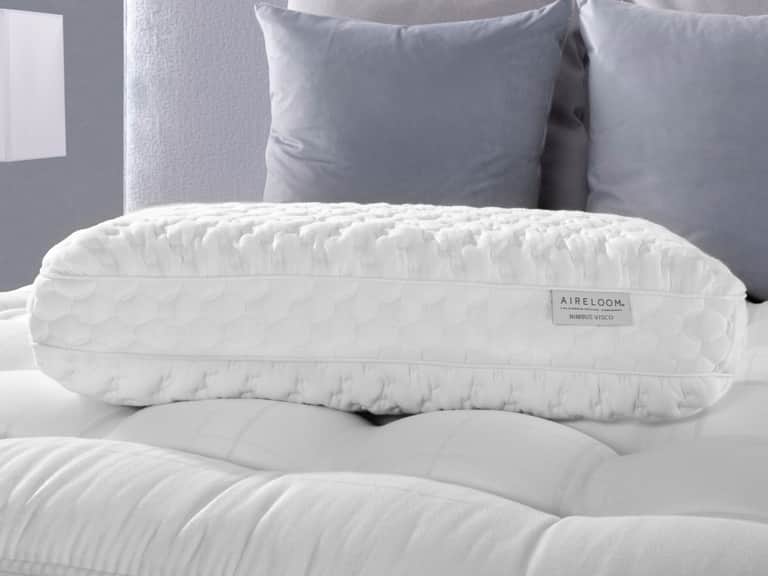
The Aireloom Nimbus Visco High Profile Pillow is a memory foam pillow with a higher loft, intended to provide substantial elevation for sleepers who prefer a fuller pillow shape. Its viscoelastic foam conforms under pressure, offering a contoured feel and consistent support. The high profile may suit some side sleepers seeking additional space between the shoulder and head.
Pillow suitability varies: side sleepers often consider greater loft, while back sleepers may prefer moderate elevation to keep the neck comfortably supported. Stomach sleepers commonly need a lower profile. The Aireloom Nimbus Visco High Profile Pillow’s shape and responsive foam are useful factors to assess, though preferred firmness and alignment are personal.
When selecting pillows for a bedroom or nursery, consider dimensions, washable care requirements, material sensitivities, and the intended user’s age. Infant sleep spaces require particular attention to current safe-sleep guidance; adult pillows should not be placed in an infant’s sleep area. Coordinating pillow comfort with bedding and sheets can support practical, consistent sleep routines.
 Bedding